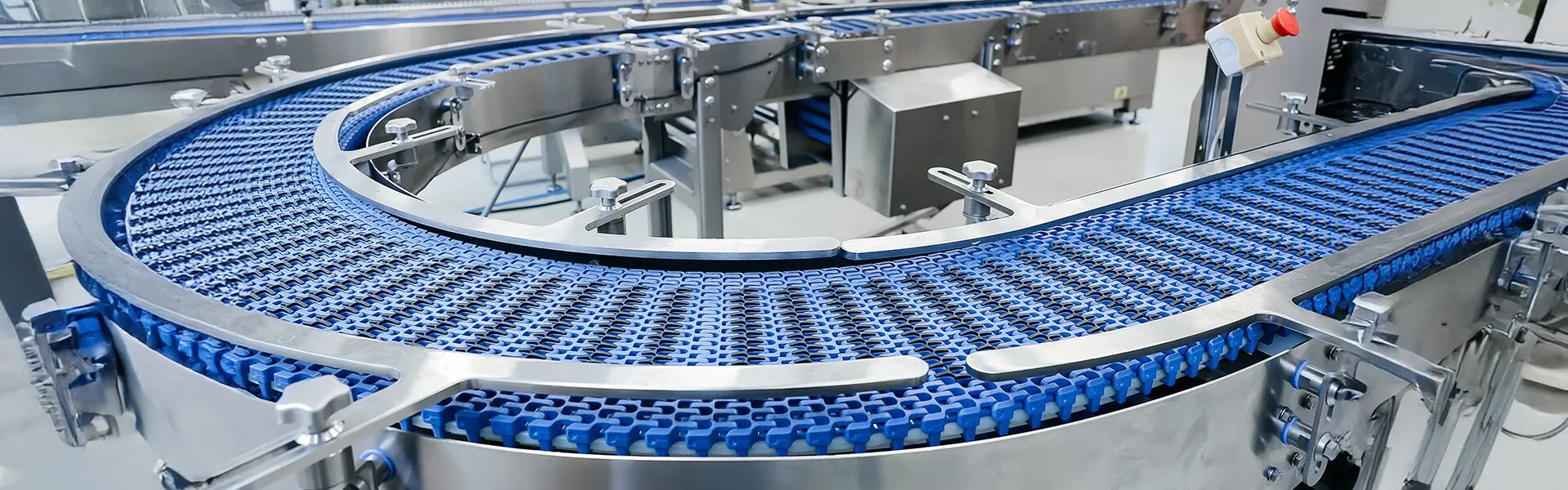
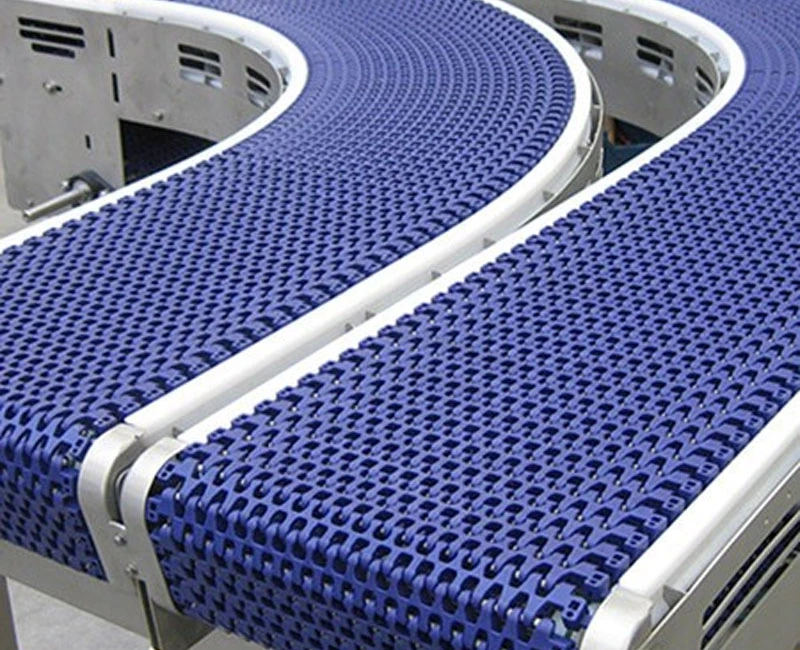
Modular plastic conveyor systems are widely used where production layouts need flexibility, product handling must be controlled and maintenance access matters. They can support straight transport, curves, inclines, declines, accumulation and transfers, but the correct design depends on the actual product, environment and process interfaces.
Why modular conveyors are useful
- Flexible routing around equipment and restricted floor space
- Replaceable modular belt or chain sections
- Options for washdown and hygiene-sensitive environments
- Controlled product orientation using guides and transfers
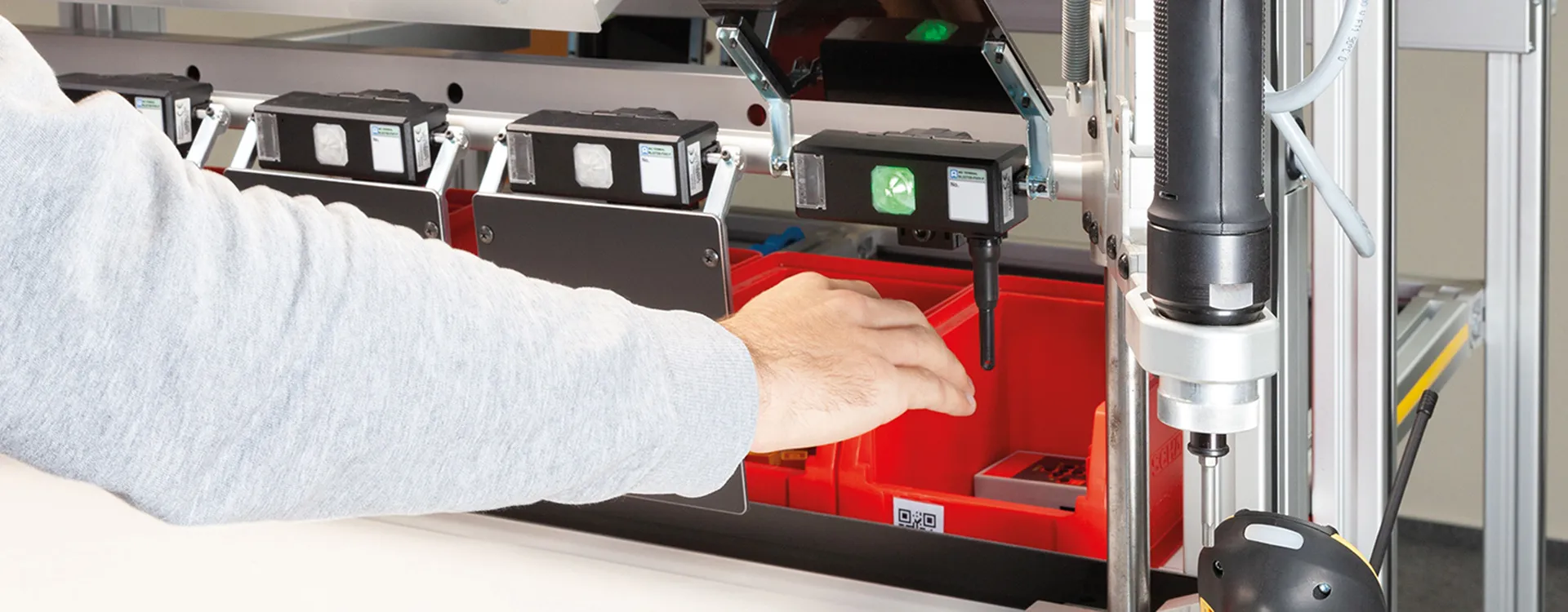
- Integration with inspection, packaging, robotics and coding equipment
- Scalable layouts that can be extended as production changes
Product behavior should drive the conveyor design
The starting point should be the product, not the conveyor catalogue. Base stability, dimensions, weight, center of gravity, temperature, surface condition, packaging format and required orientation all influence chain selection, guide design, transfer geometry and operating speed.
| Design factor | Why it matters |
|---|---|
| Product footprint | Determines support area, rail spacing and transfer method |
| Throughput | Defines speed, accumulation and line-balance requirements |
| Environment | Influences material, frame, motor and washdown selection |
| Transfers | Poor transitions can become the largest source of jams and product damage |
| Maintenance | Access, cleanability and wear-part replacement affect lifecycle performance |
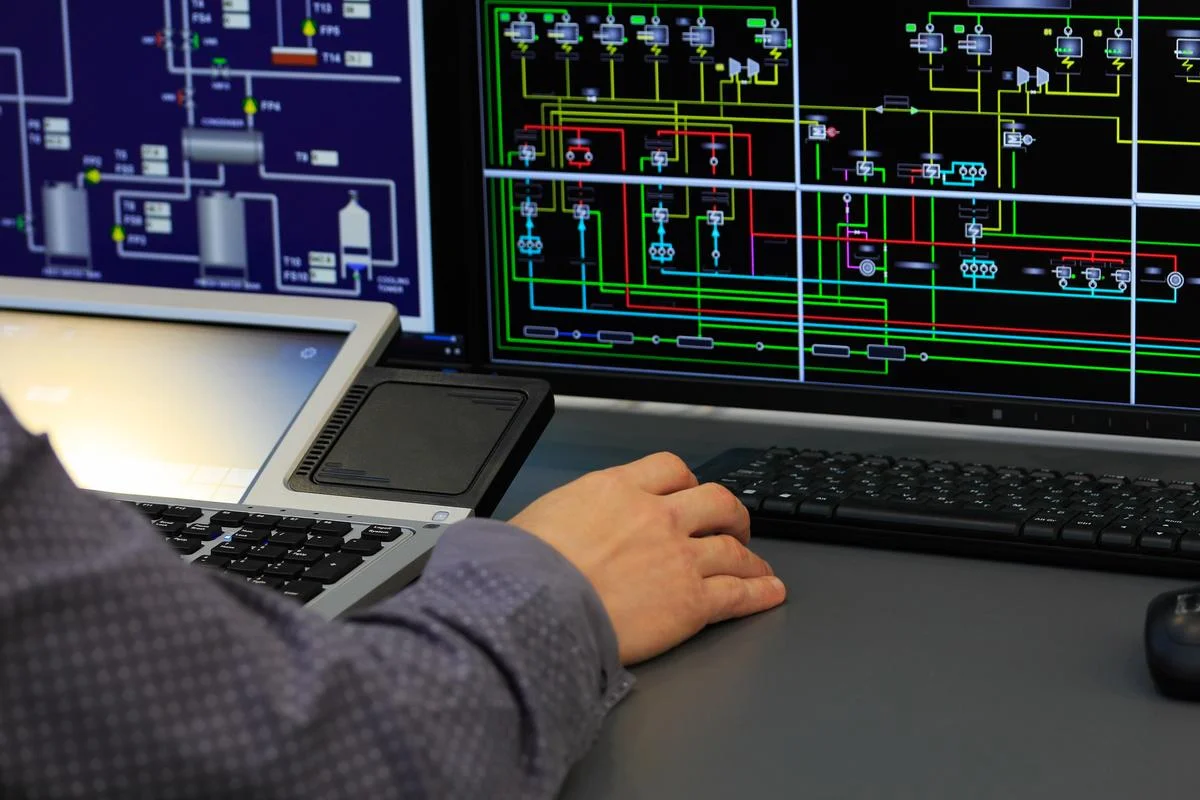
| Controls | Sensors, zoning and interlocks determine how the conveyor reacts to faults and downstream stops |
Hygienic conveyor applications
Food, beverage and pharmaceutical applications may require stainless structures, suitable belt materials, cleanable geometry, drainage and components selected for the washdown regime. Hygiene claims should always be based on the actual conveyor design and selected components rather than assumed from the word modular.
Accumulation and line balancing
High-speed production does not mean every conveyor should run at maximum speed. A well-engineered line uses controlled accumulation and buffering to decouple machines, absorb short interruptions and keep critical equipment supplied without excessive product pressure.
RoboMecs conveyor engineering
Conveyors are a core RoboMecs engineering capability. We design material flow around the complete process, including frames, supports, guarding, drives, sensors, PLC control, accumulation logic, robotics and machine interfaces. This allows the conveyor to become part of the production system rather than an isolated transport device.
For a conveyor concept, send product information, layout constraints, required throughput and the upstream/downstream process. RoboMecs can review the complete material-flow requirement.