PLC, HMI and SCADA systems are the operational backbone of many industrial plants. The quality of the architecture affects much more than whether the machine runs. It determines how easy the system is to diagnose, modify, recover, secure and support years after commissioning.
PLC logic should represent machine states clearly
Structured software makes normal sequences, permissives, interlocks, alarms and recovery states visible to engineers. Ad hoc logic may work during startup but becomes difficult to troubleshoot when the original programmer is unavailable.
The HMI is an operating tool, not decoration
- Clear machine status and current sequence step
- Actionable alarms that explain the condition, not only the tag name
- Manual controls with appropriate permissives
- Recipe and product selection with validation
- Maintenance diagnostics and I/O status where useful
- Consistent navigation and user permissions
SCADA should add plant-level value
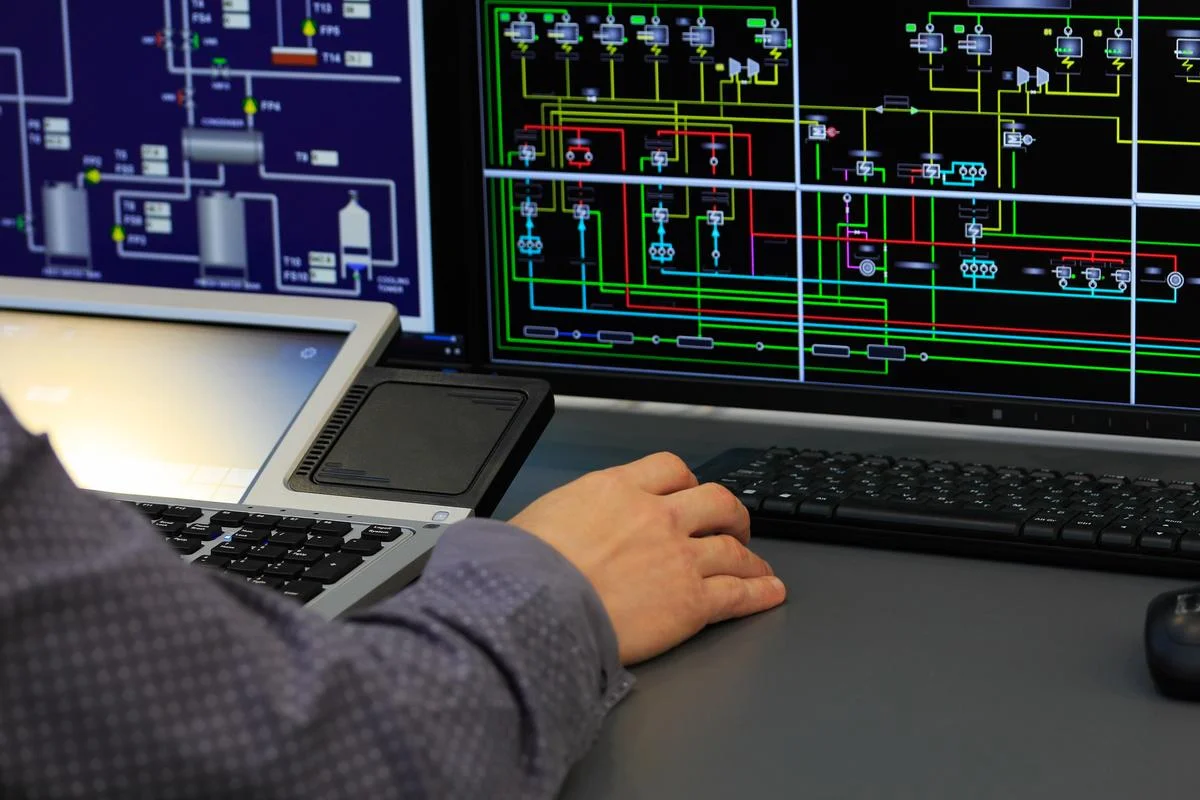
SCADA is most useful when multiple machines or processes need centralized monitoring, trends, alarms, production information or supervisory control. It should not duplicate machine HMI functions without a clear operational reason.
Industrial networks need an architecture
Profinet, EtherNet/IP and other industrial networks should be segmented and documented. Managed switches, addressing standards, device naming, time synchronization and controlled remote access can make future troubleshooting far easier.
Recipes and changeover
High-mix production benefits from controlled recipe management. The architecture should define where recipes are stored, how they are validated, what equipment receives them and how operators confirm that the line is in the correct state for changeover.
Alarm philosophy and fault recovery
A machine that stops safely but cannot explain why can still create long downtime. Alarms should identify the real blocking condition and provide enough context for the operator or maintenance team to restore the process.
Lifecycle support
- Source-code and project-file backups
- Version-controlled software handover
- Electrical drawings and I/O lists
- Password and access policy agreed with the customer
- Spare hardware and obsolescence strategy
- Remote-support method that follows customer cybersecurity requirements
RoboMecs control integration
RoboMecs integrates control architecture with the mechanical process, robotics, conveyors, drives, safety and industrial software. This avoids the common problem where controls are programmed without enough understanding of how the equipment actually behaves. Discuss your PLC, HMI, SCADA or machine-control project with our engineering team.