Conveyors are often treated as simple equipment, but they define how products move between processes. Poor conveyor design can create jams, unstable accumulation, difficult maintenance and bottlenecks even when every machine connected to the line is capable of the required speed.
Start with the material and unit load
- Product dimensions, weight and center of gravity
- Base shape, stiffness and surface condition
- Carton, bag, tote, pallet or loose-product format
- Temperature, moisture, dust and washdown environment
- Required orientation and allowable product contact
- Maximum and minimum SKU size
Choose the conveyor type around the application
| Conveyor type | Typical use |
|---|---|
| Belt conveyor | Stable transport, inclines, small or irregular products |
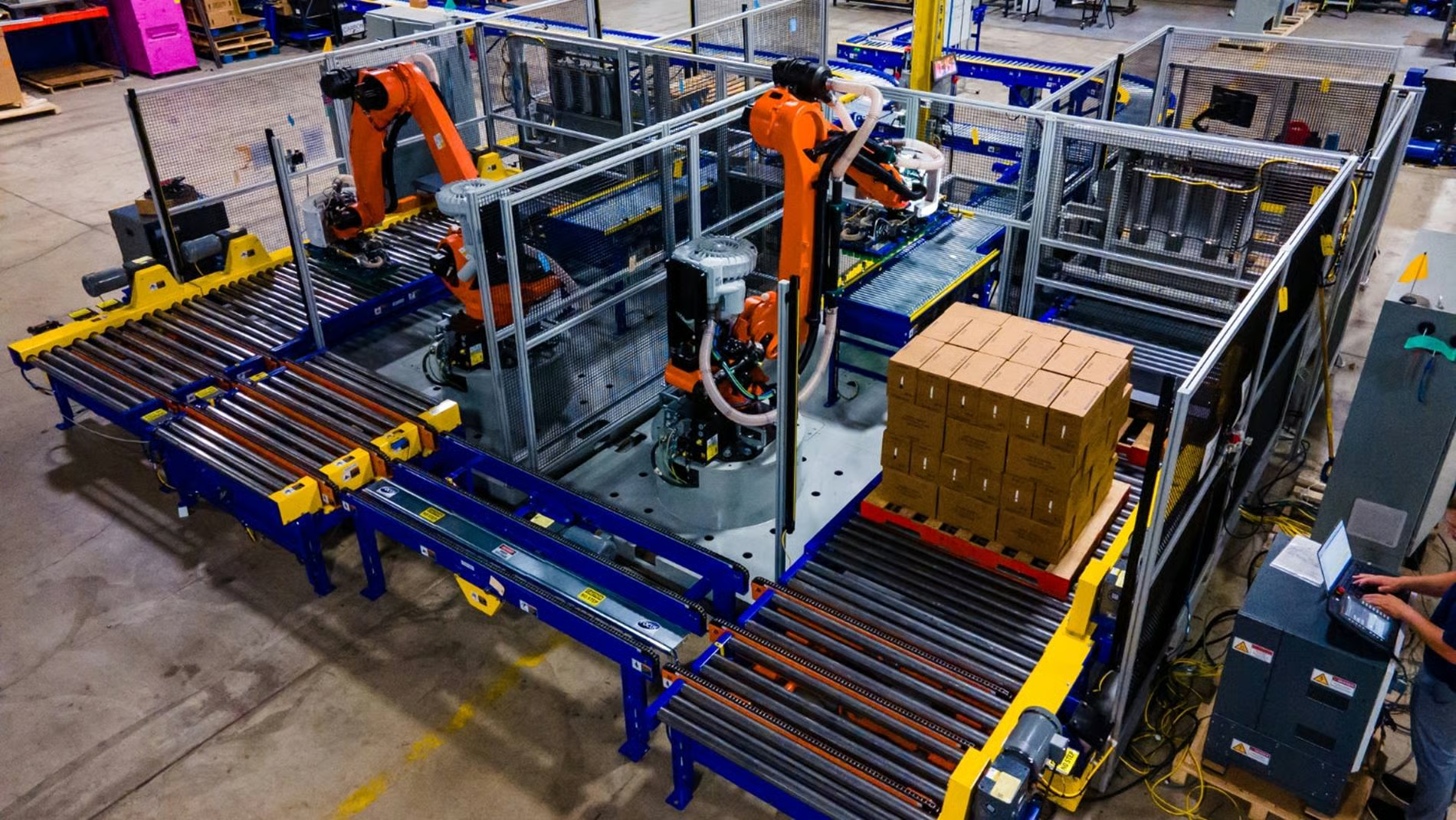
| Roller conveyor | Cartons, totes and pallets with suitable rigid bases |
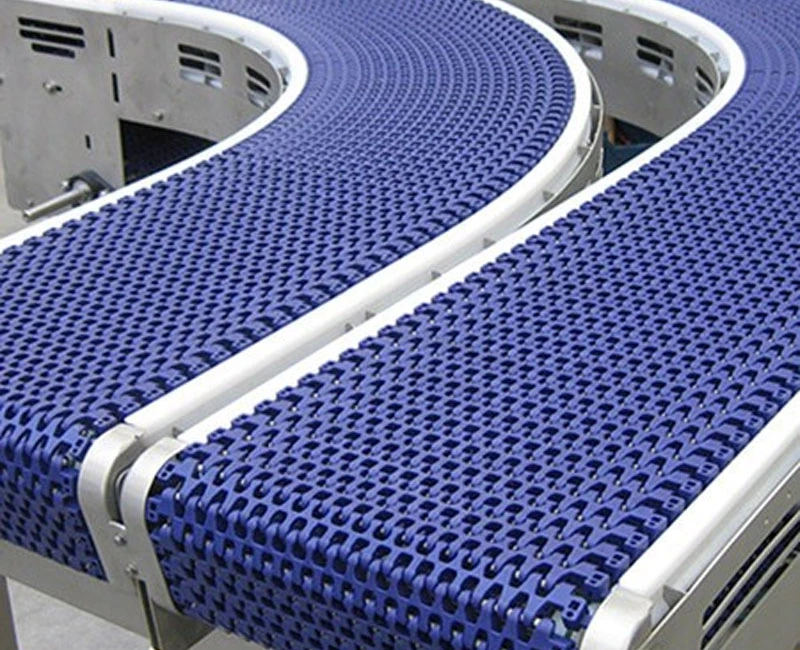
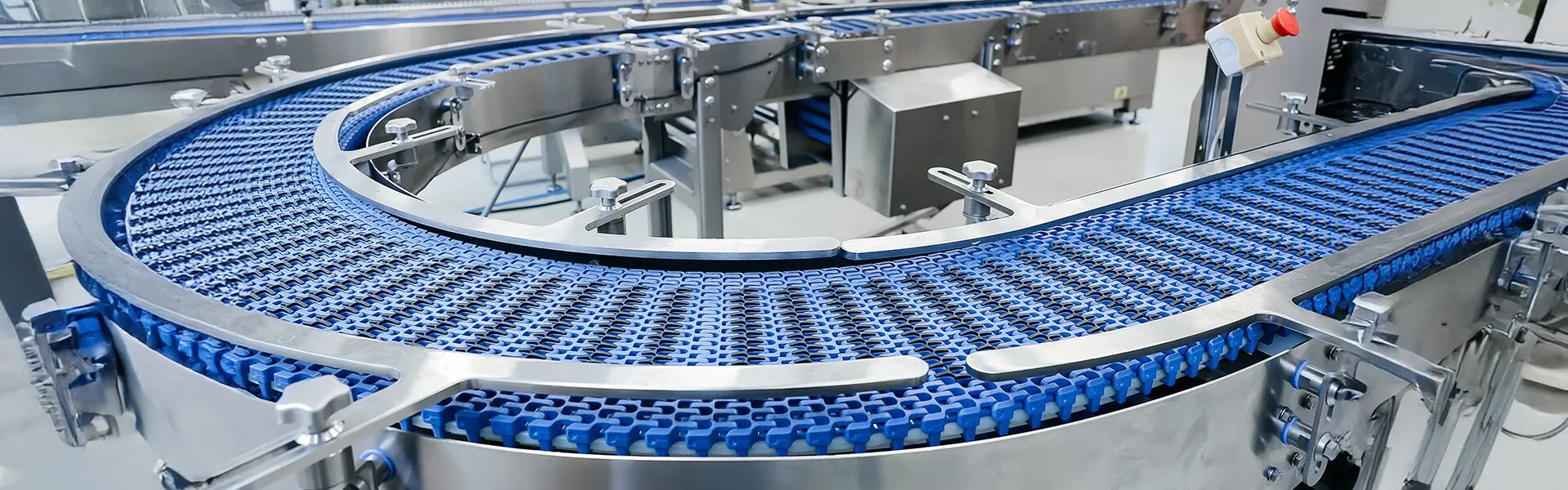
| Modular plastic conveyor | Flexible routing, curves and selected washdown applications |
| Chain or pallet conveyor | Heavy unit loads and pallet transport |
| Special conveyor | Spiral, vertical, telescopic, transfer, turntable or application-specific movement |
Throughput is a system calculation
Required units per hour must be translated into product pitch, conveyor speed, accumulation zones and machine interface behavior. Adding speed without considering downstream capacity can increase collisions and jams rather than improve output.
Transfers deserve detailed engineering
Product transitions between conveyors, machines and robots are common failure points. Dead plates, powered transfers, side transfers, nosebars and guide transitions should be selected around the smallest product and worst-case orientation.
Accumulation protects line performance
Controlled accumulation can decouple upstream and downstream equipment, absorb short stops and reduce unnecessary line shutdowns. The right method depends on whether products can touch, how much pressure they tolerate and whether sequence must be preserved.
Controls and diagnostics
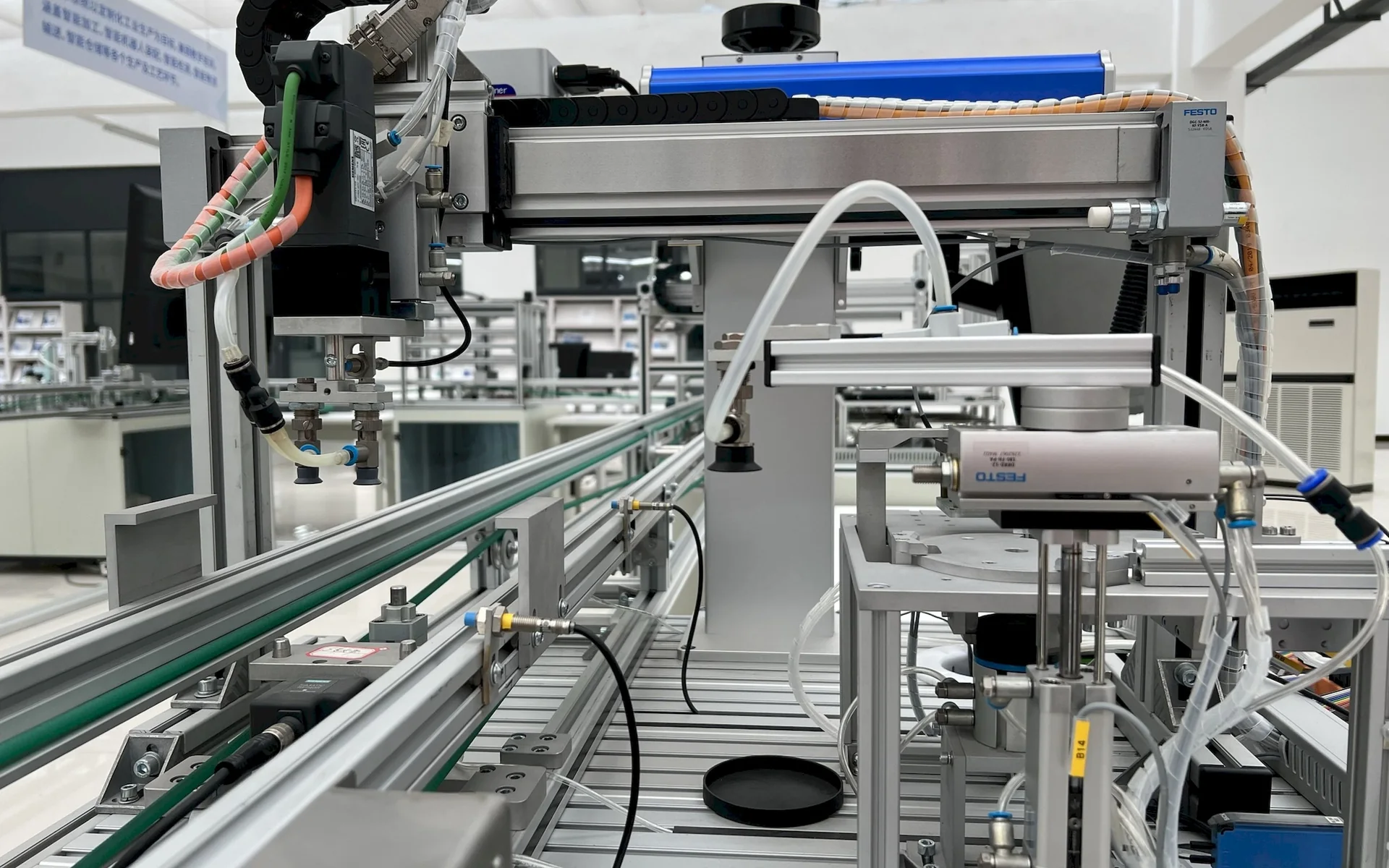
Sensors, VFDs, motor protection, zoning and PLC logic should provide clear machine states and fault information. Operators need to know which zone is blocked, which device stopped and what condition must be restored.
Design for Saudi operating conditions
Ambient temperature, dust, cleaning method, available maintenance skill, spare-part lead time and site access can all affect component selection. Equipment should be engineered for the actual plant environment rather than copied from a generic layout.
RoboMecs conveyor capability
Conveyors are one of RoboMecs’ core revenue and engineering areas. We can combine mechanical design and fabrication with drives, controls, sensors, guarding and surrounding automation. Send your layout and product data for a conveyor-system review.