Warehouse Conveyor & Transfer Systems
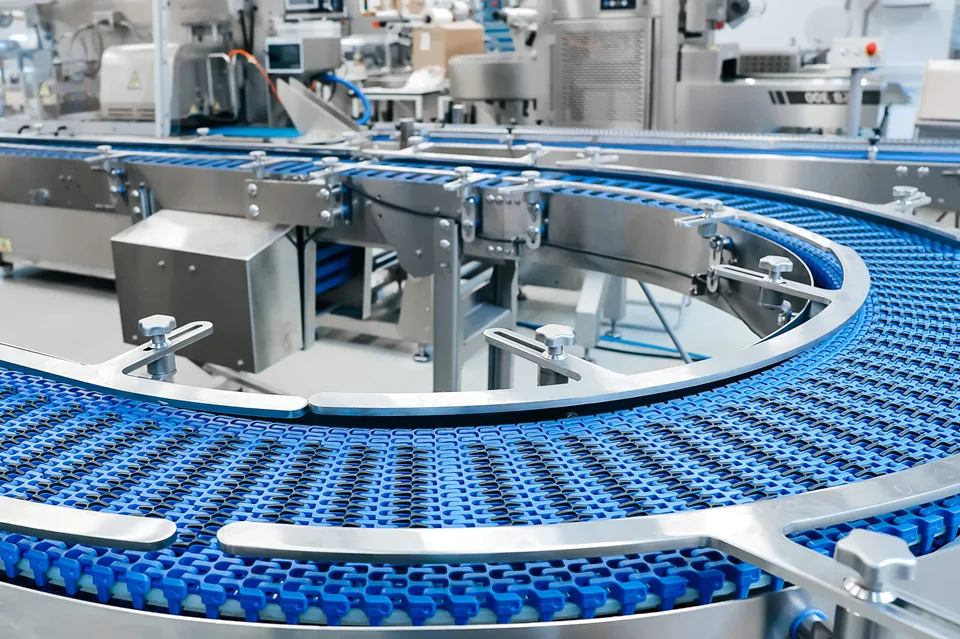
Carton, tote and pallet movement between warehouse zones, process areas, production interfaces and dispatch points.
RoboMecs develops warehouse and intralogistics automation around the actual movement of pallets, totes, cartons and components, from receiving and storage interfaces to production supply, sortation and dispatch.
Conveyors, mobile robots, identification, routing logic and software interfaces are selected as parts of one material-flow concept rather than isolated technologies.
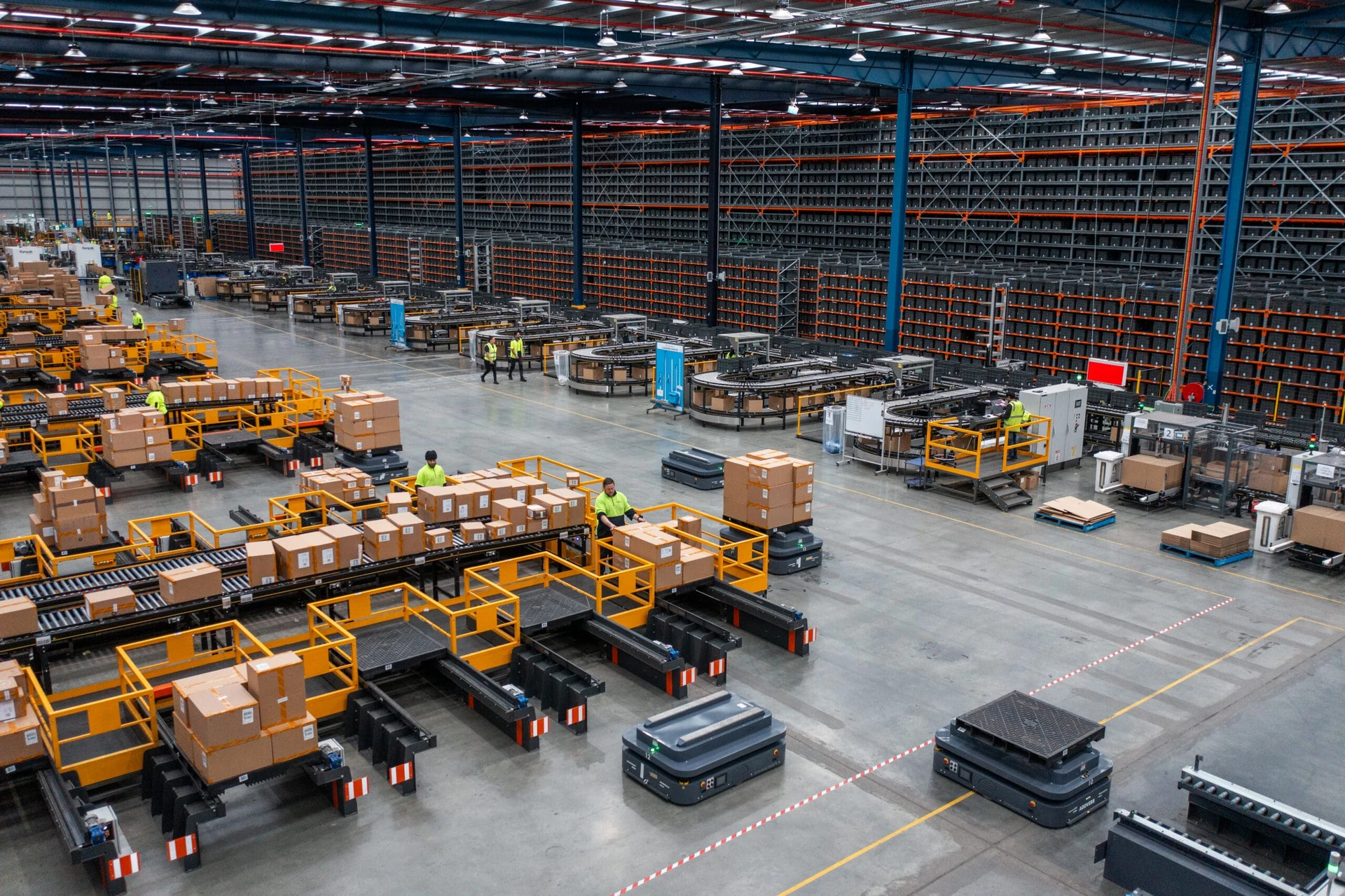
The right warehouse automation architecture depends on load type, order flow, routes, throughput, storage interfaces, operating constraints and the systems that need to exchange information.
Carton, tote and pallet movement between warehouse zones, process areas, production interfaces and dispatch points.
Routing, diverting, merging and destination control based on product identity, operational rules and downstream availability.
Transfer, accumulation, positioning and controlled movement of reusable carriers and unit loads across warehouse operations.
Mobile-robot applications integrated with pickup/drop-off stations, conveyors, doors, equipment handshakes and traffic requirements.
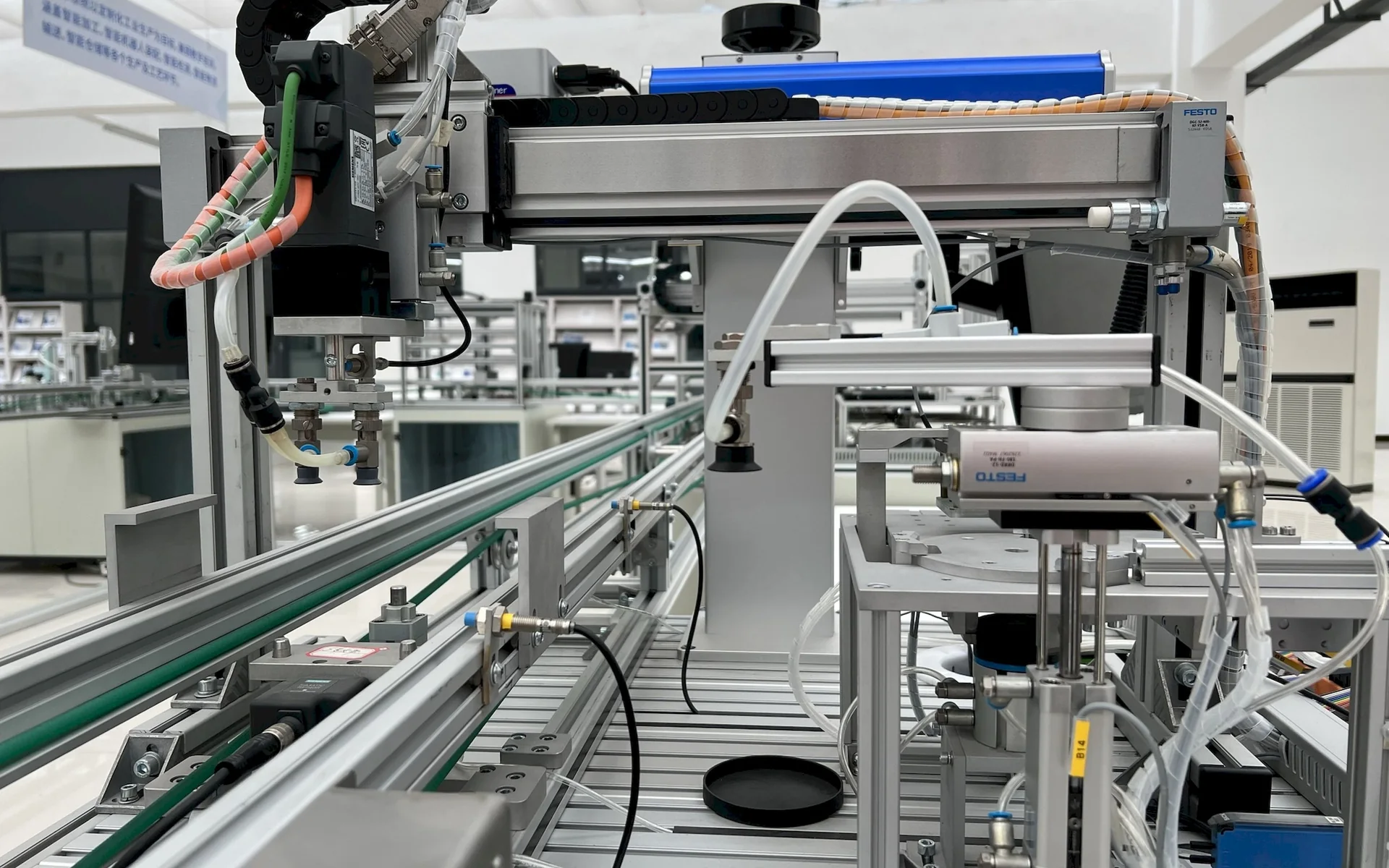
Barcode, RFID and sensor-based identification used to support routing, confirmation, traceability and inventory movement decisions.
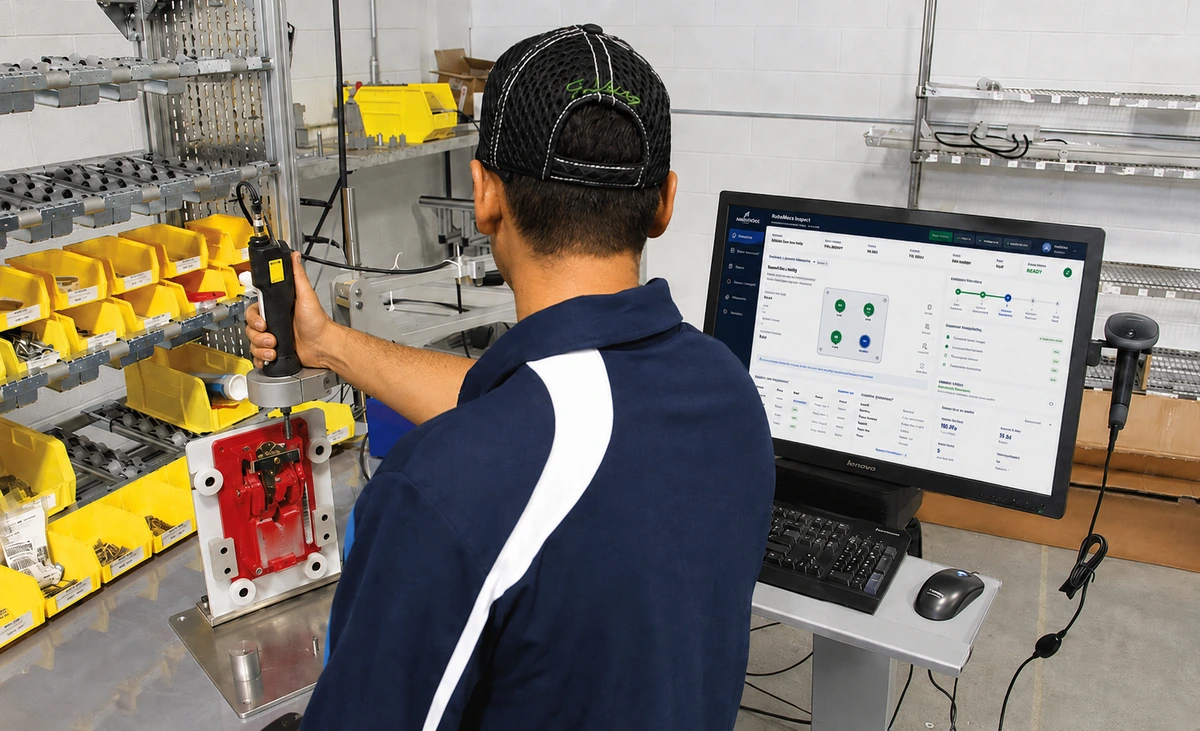
Operational interfaces between warehouse software, fleet systems and shop-floor control where system-level coordination is required.
RoboMecs focuses on the interfaces between transport technologies, operational zones and control layers so material moves with clear ownership and controlled handoffs.
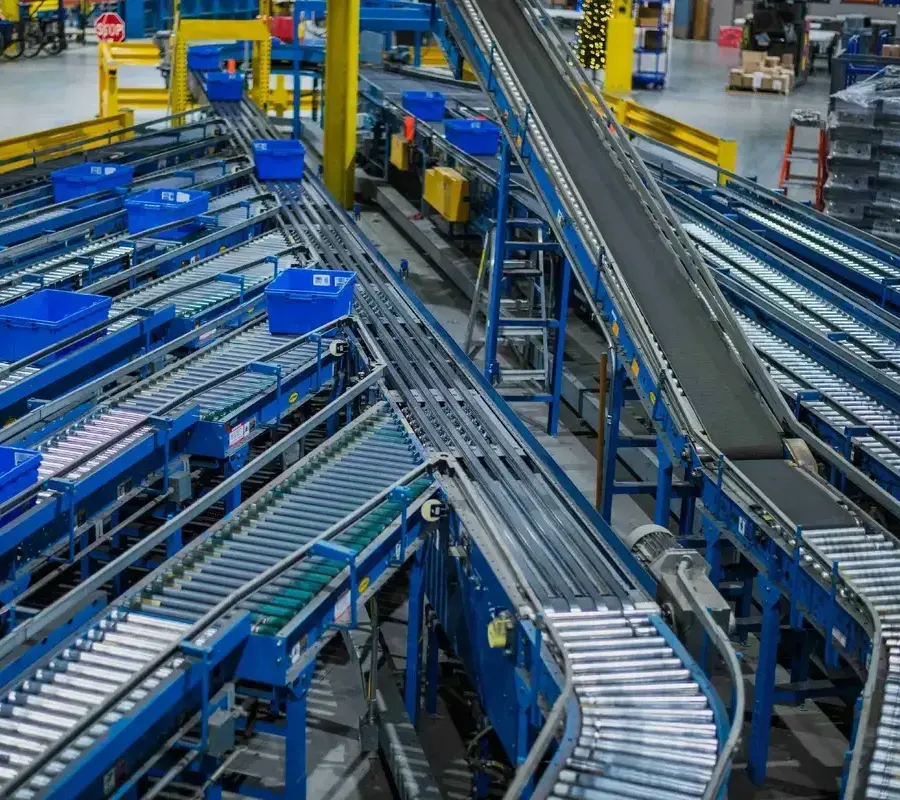
Warehouse automation is strongest when physical movement and information flow are designed together. RoboMecs develops the equipment interfaces and control logic required to connect warehouse zones and production operations.
Loads, origins, destinations, routes, peaks, buffers and operational constraints translated into a practical automation concept.
Conveyors, transfer points, stations, structures and mobile-robot interfaces engineered around the physical layout.
Identification, routing decisions, equipment handshakes, zone logic and exception handling coordinated across the system.
Integration points to fleet systems, warehouse applications and plant systems defined according to the project architecture.