Requirement, Feasibility & Concept Development
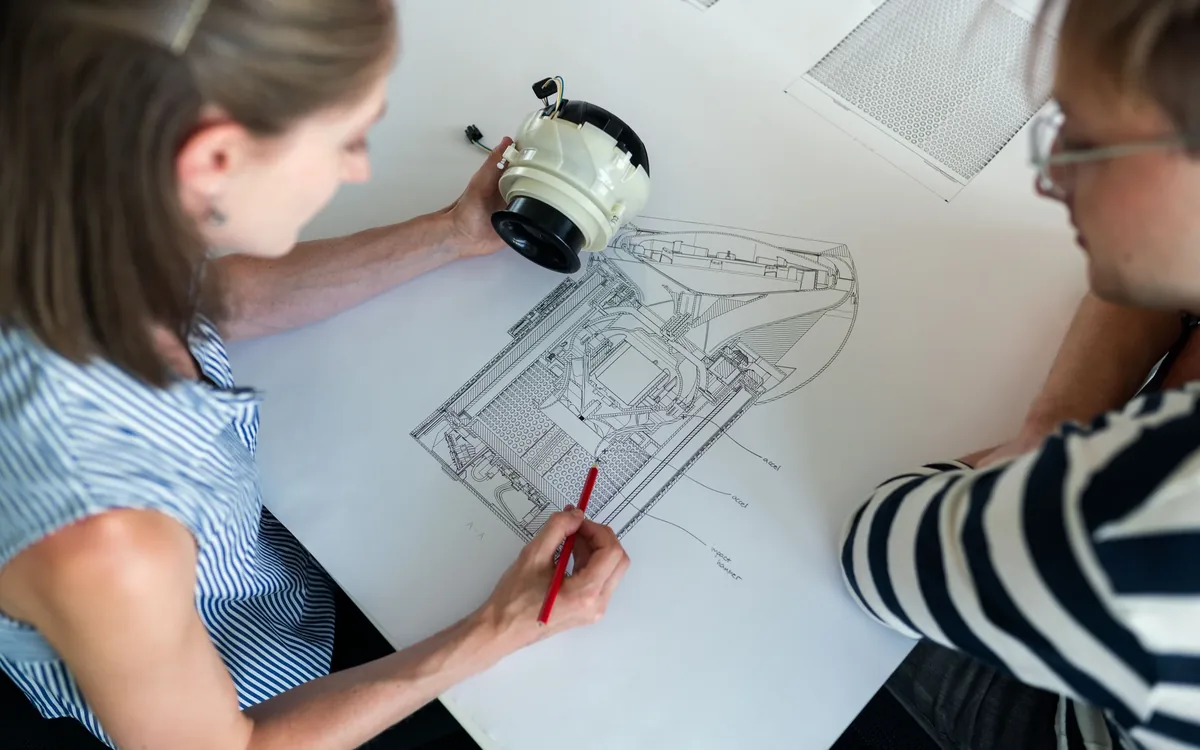
Translate production targets, product variants, layouts, cycle requirements, operating constraints and existing equipment into a practical automation concept and defined project boundary.

RoboMecs develops industrial automation projects as complete operating systems, connecting mechanical equipment, electrical design, controls, robotics, conveying, machine vision and software around one production requirement.
For manufacturers in Saudi Arabia, this means defining interfaces early, engineering the disciplines together and carrying the project through integration, testing, commissioning and production handover rather than treating each subsystem as an isolated package.
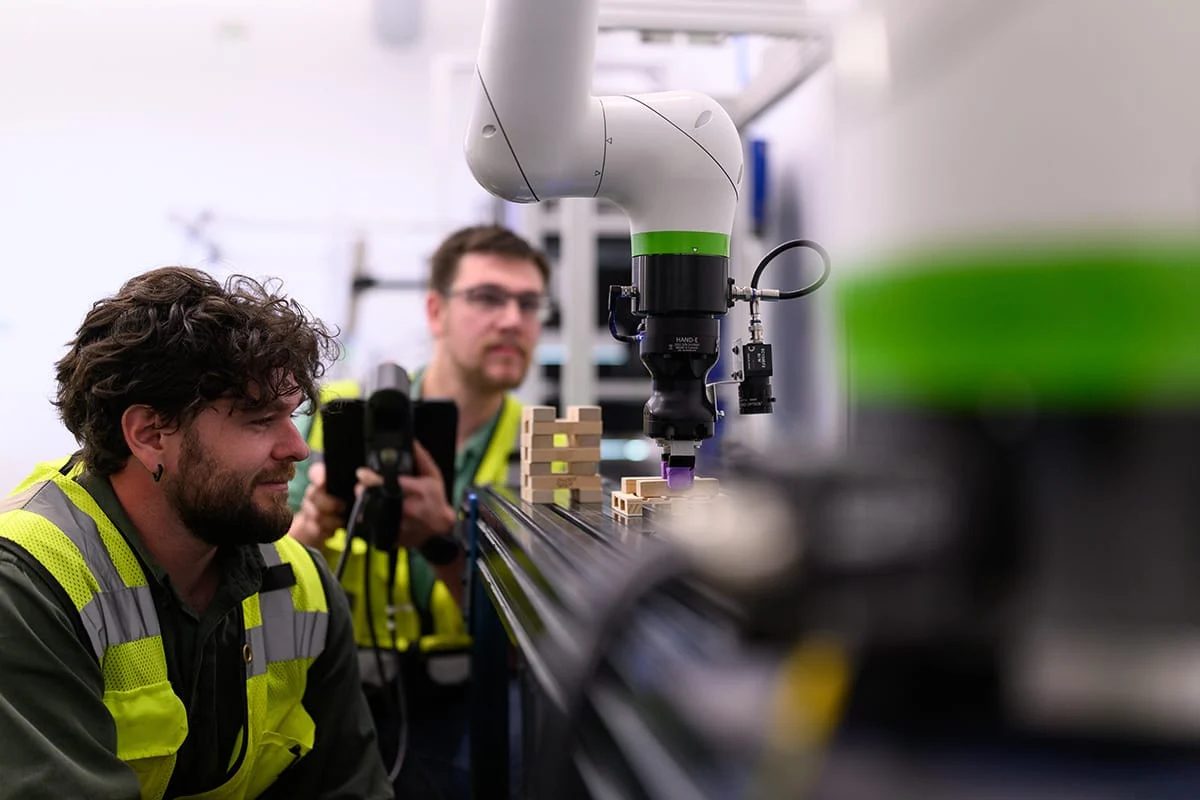
A successful automation project depends on how machines, controls, material flow, safety devices, data and operators interact. RoboMecs structures those interfaces from concept through handover so the system can be commissioned, diagnosed and maintained as one solution.
Translate production targets, product variants, layouts, cycle requirements, operating constraints and existing equipment into a practical automation concept and defined project boundary.
Define functional boundaries, equipment handshakes, control ownership, networks, data flows, safety interfaces and responsibilities before detailed engineering begins.
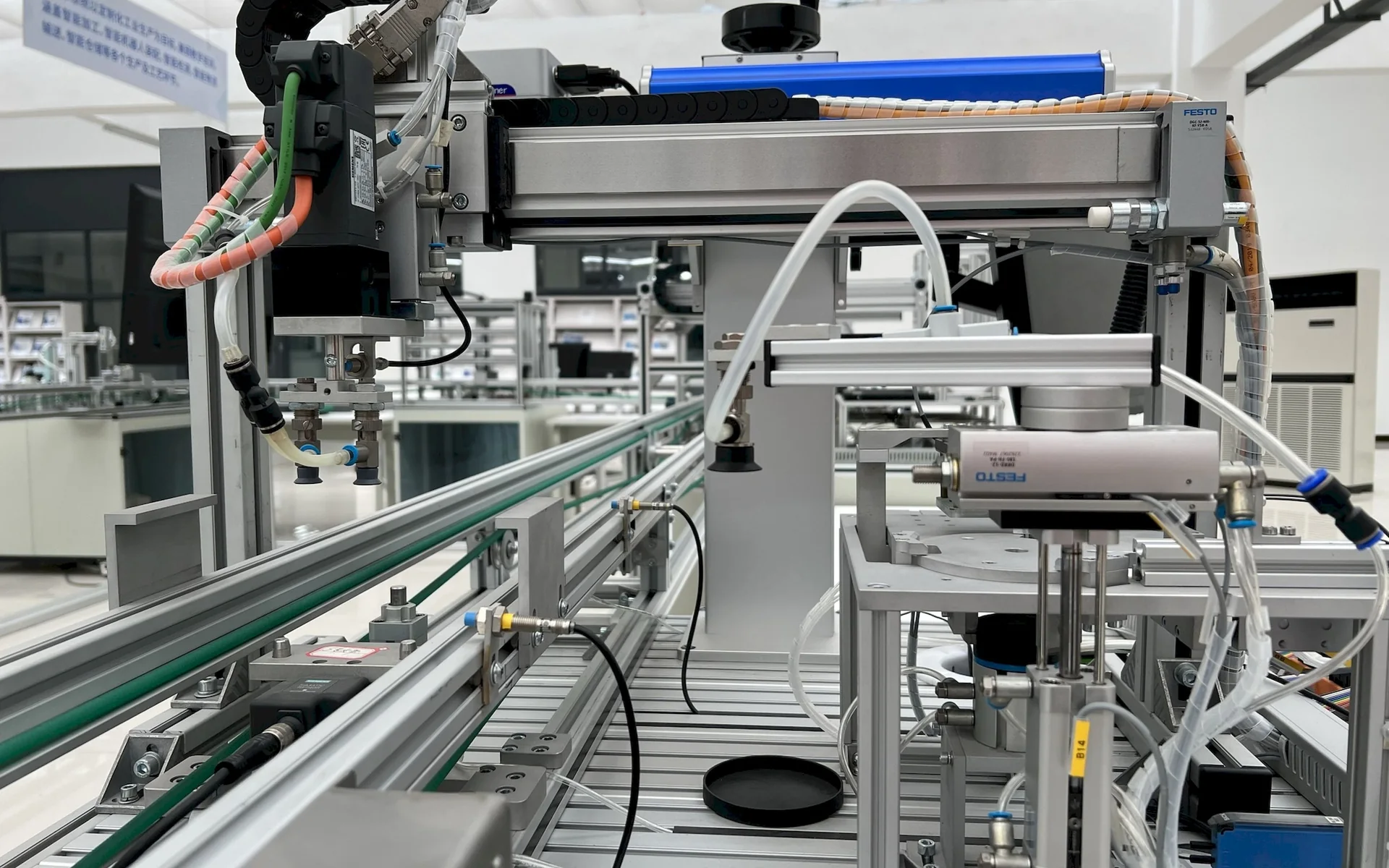
Coordinate machines, conveyors, robots, fixtures, guarding, structures and transfer points so equipment fits the process, footprint and material-flow requirement.
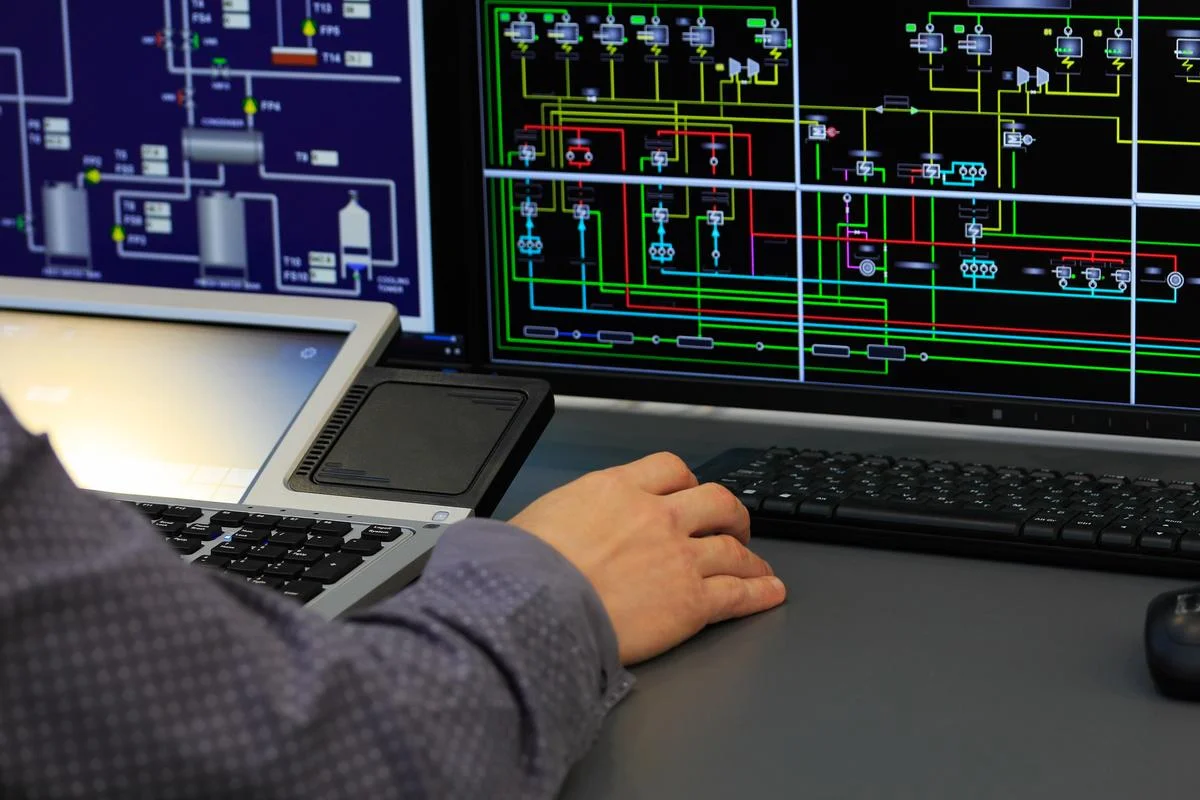
Integrate control panels, PLCs, distributed I/O, drives, HMIs, industrial networks, sensors and machine interfaces into a consistent operating architecture.
Add machine vision, barcode or RFID identification, traceability and production-system interfaces where the application requires verification or data exchange.
Support structured testing, issue closure, site integration, acceptance checks, documentation and production handover so the engineered system transitions into operation.
RoboMecs can support a complete project or a defined integration package. Scope is established around the actual process, installed equipment, customer standards and division of responsibility.
Engineering packages are scaled to the project, but the execution logic remains consistent: understand the requirement, define the interfaces, integrate the disciplines and validate the complete operating system.
Review process data, drawings, site conditions, production targets, existing equipment and customer requirements to establish a clear technical boundary.
Develop mechanical, electrical, control and software interfaces with documented assumptions, functional sequences and integration responsibilities.
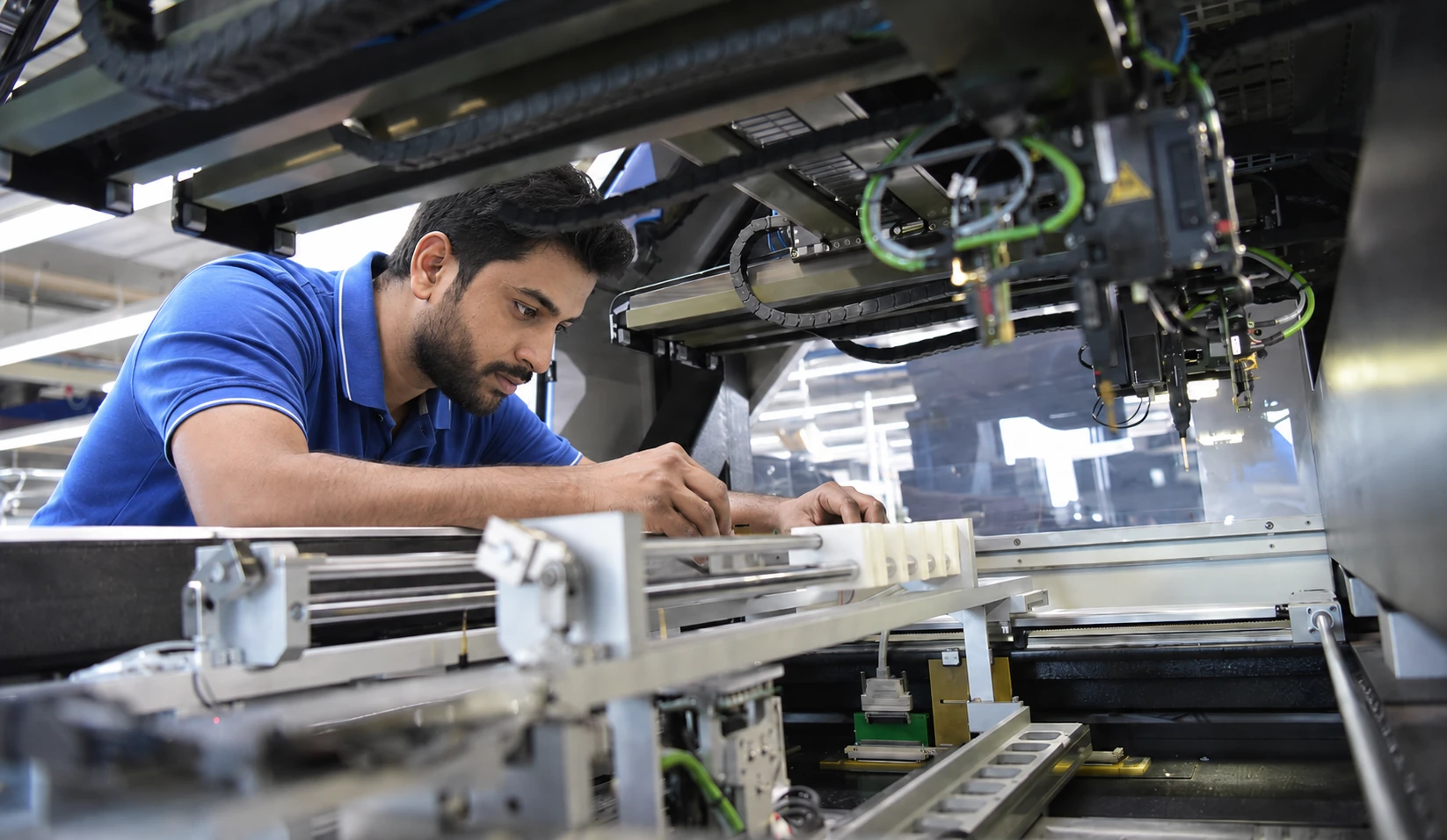
Coordinate fabrication, panel/control work, software development, equipment interfaces and pre-site testing according to the approved scope.
Complete site integration, functional checks, acceptance support, issue closure and the practical documentation required for operation and maintenance.