Belt Conveyor Systems
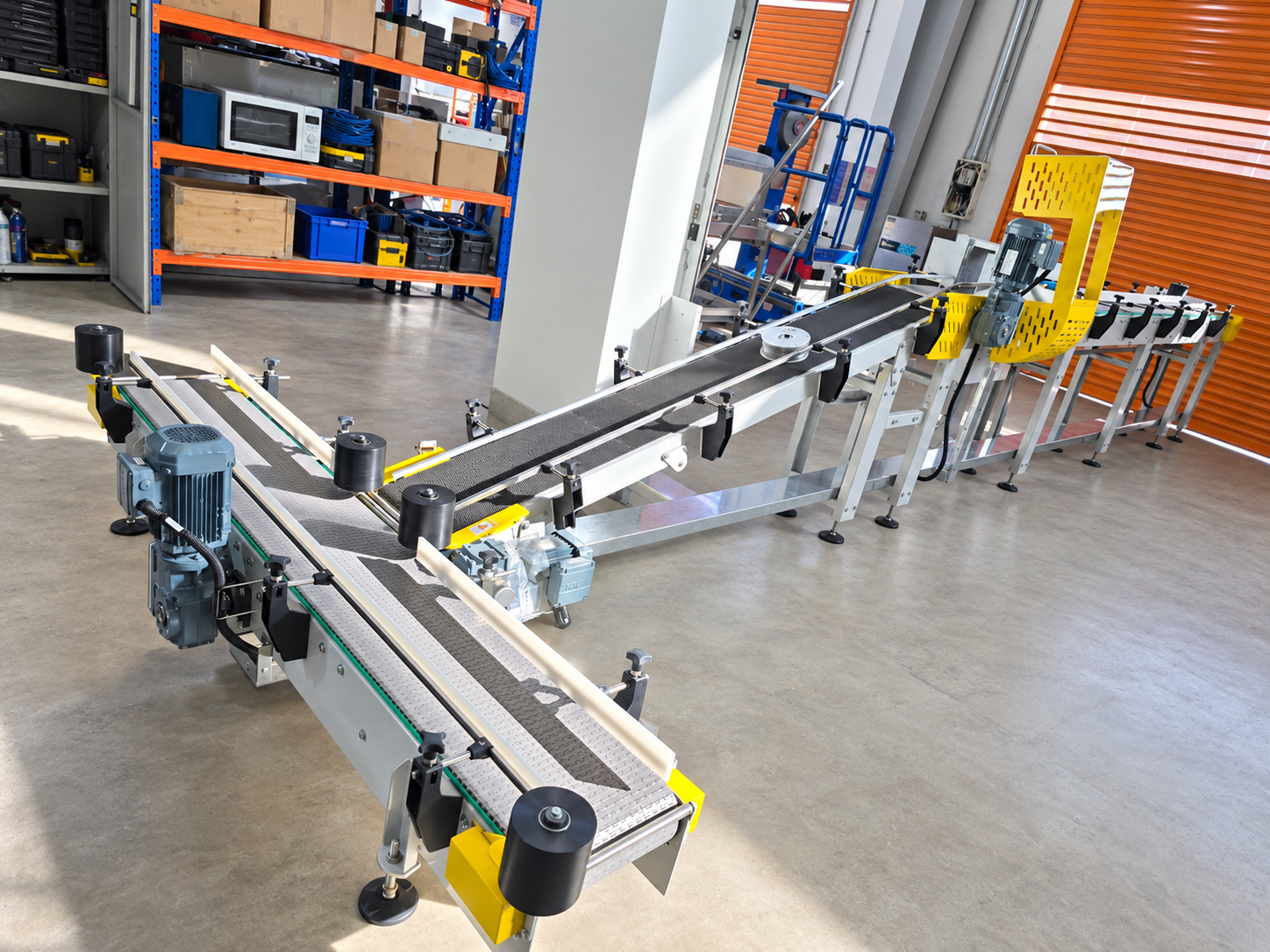
General product transport, inclines, declines and controlled transfer using belt materials and drive arrangements selected for the application.
RoboMecs designs and integrates conveyor systems around the product, route, throughput, accumulation, transfer points, machine interfaces and operating environment that determine reliable material flow.
From individual conveyors to multi-zone handling systems, the mechanical layout, drive architecture, controls and interfaces are engineered together for practical operation and maintainability.
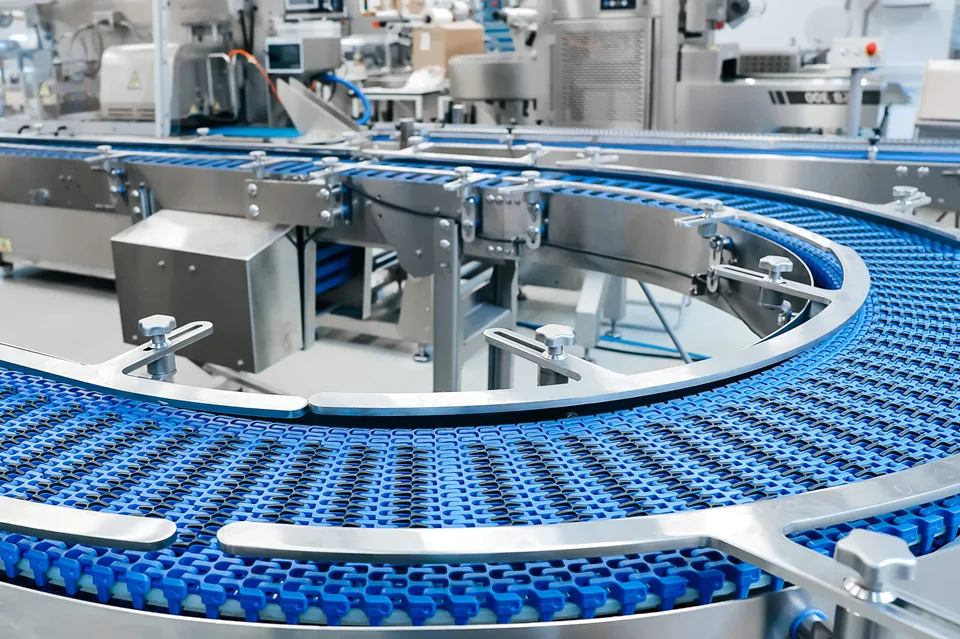
Conveyors are engineered as process equipment, not simply transport hardware. Product characteristics, accumulation behavior, accessibility, controls and upstream/downstream interfaces define the final design.
General product transport, inclines, declines and controlled transfer using belt materials and drive arrangements selected for the application.
Gravity and powered roller solutions for cartons, totes, pallets and rigid loads, including zoning and controlled accumulation where required.
Flexible conveyor layouts for production and packaging environments requiring curves, wash-friendly construction or application-specific chain surfaces.
Heavy-duty handling of pallets, fixtures and unit loads with transfer, indexing and machine-interface requirements engineered into the layout.
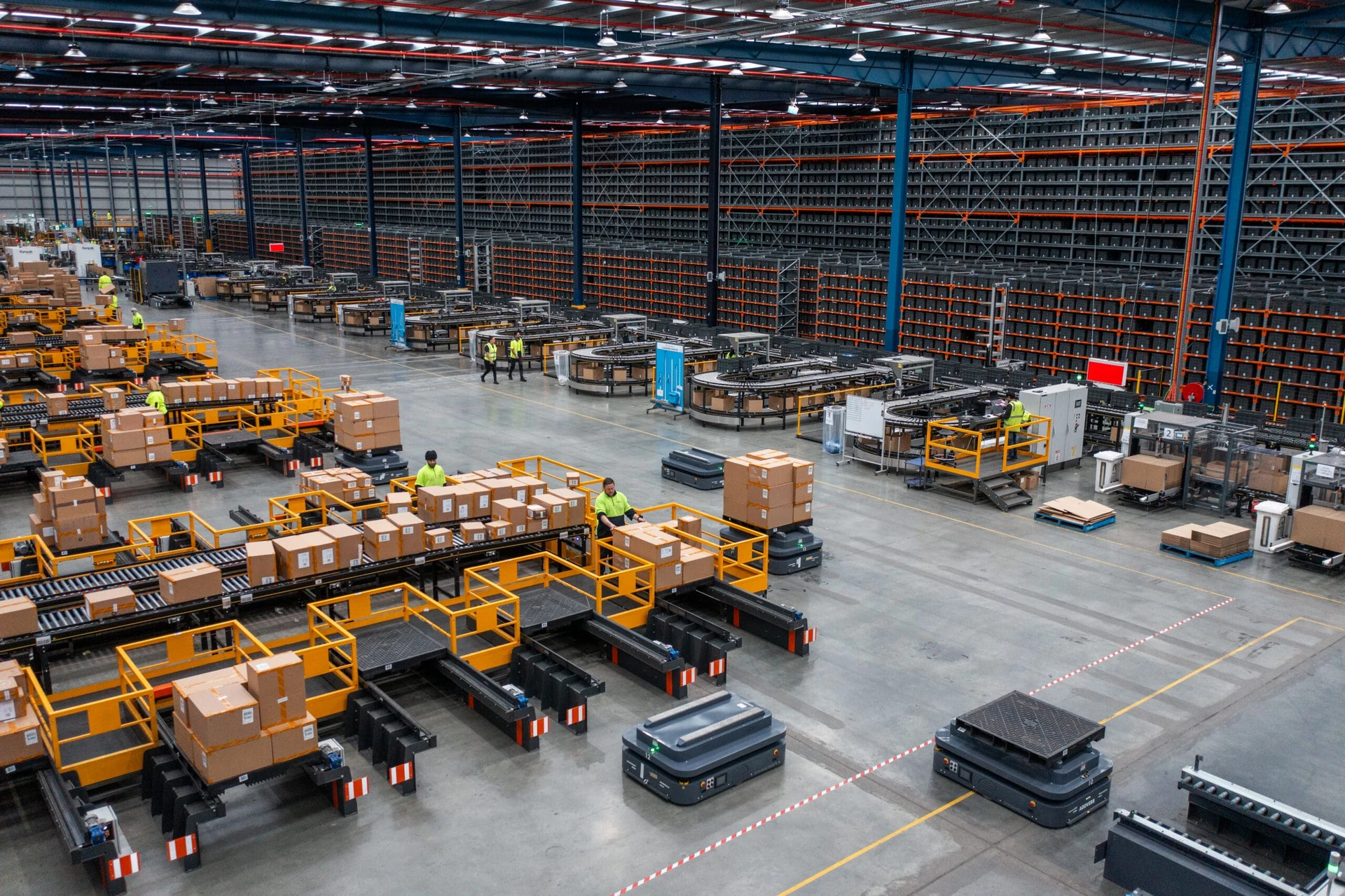
Controlled buffering, merging, diverting, indexing, stops, lifts and transfer mechanisms designed around line logic and product behavior.
Purpose-built handling for unusual geometry, restricted space, process interfaces, inspection points and non-standard production requirements.
RoboMecs evaluates the complete flow path, product entry, transfer, accumulation, machine interfaces, operator access and discharge, before defining conveyor architecture.
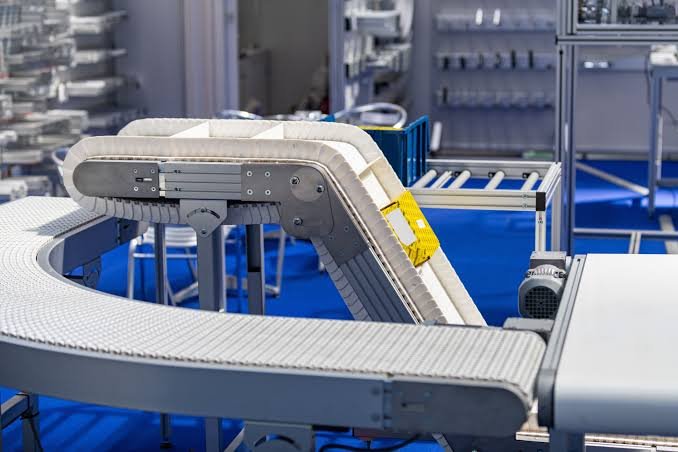
RoboMecs can support new conveyor systems, extensions, line modifications and integration around existing production equipment, with engineering focused on accessible, serviceable and scalable layouts.
Routes, elevations, accumulation zones, transfer points and access requirements developed around the physical process.
Frames, supports, guides, guards, platforms and custom mechanisms engineered for the required handling duty.
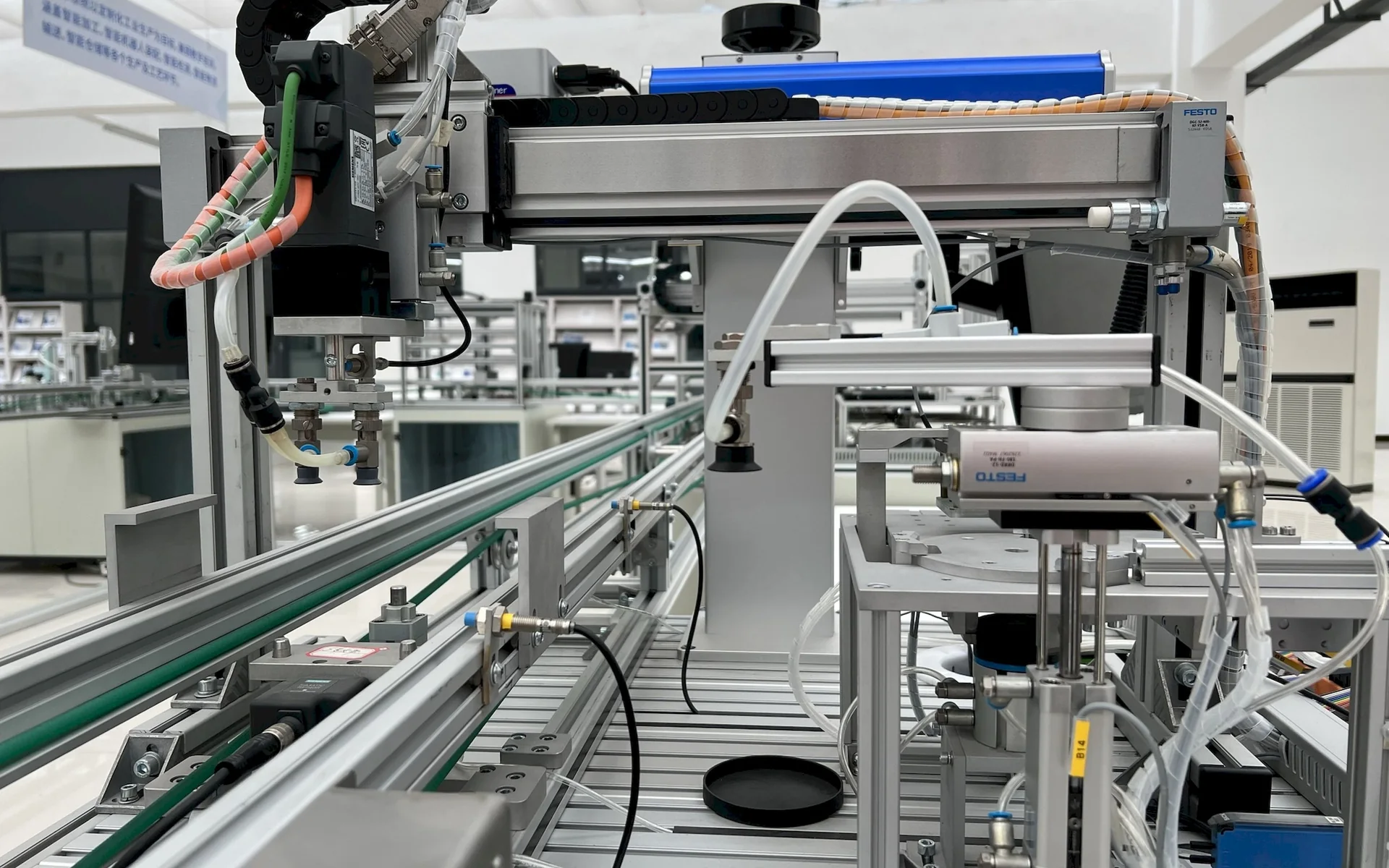
Motors, VFDs, sensors, zones, tracking and PLC logic coordinated with upstream and downstream equipment.
Mechanical installation, alignment, electrical interface, functional testing and commissioning within the operating line.
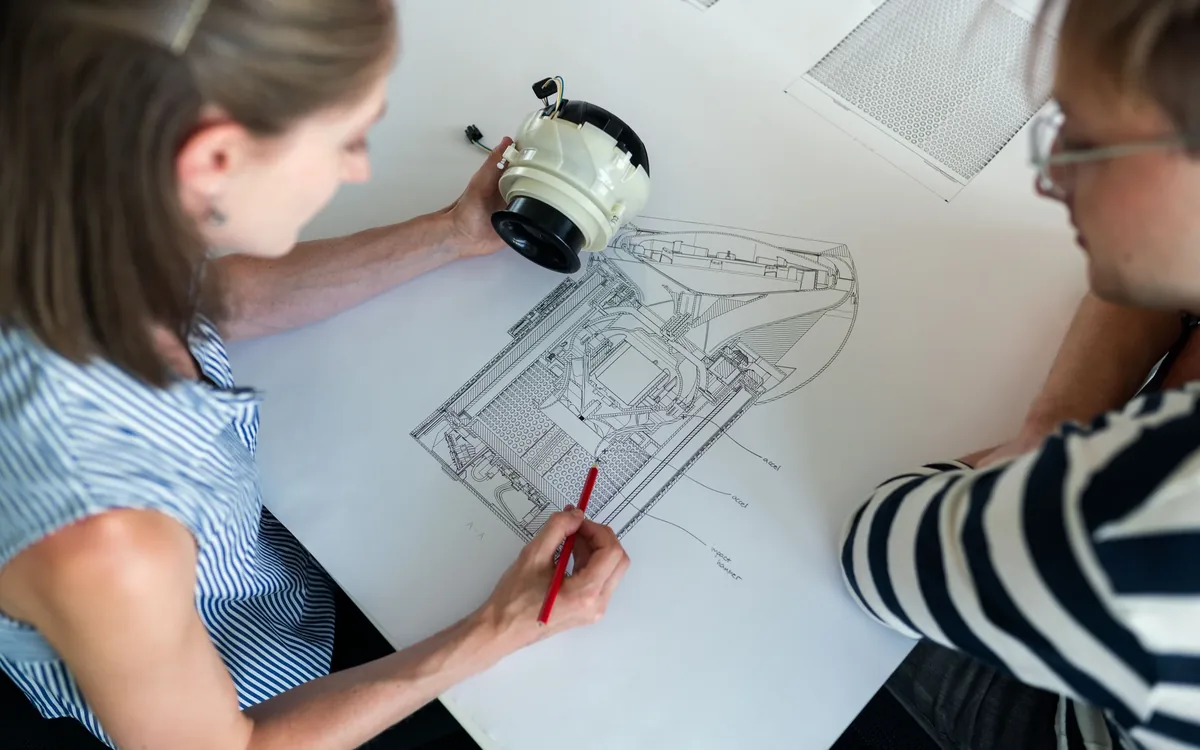
Selected imagery from actual RoboMecs project work relevant to this capability.