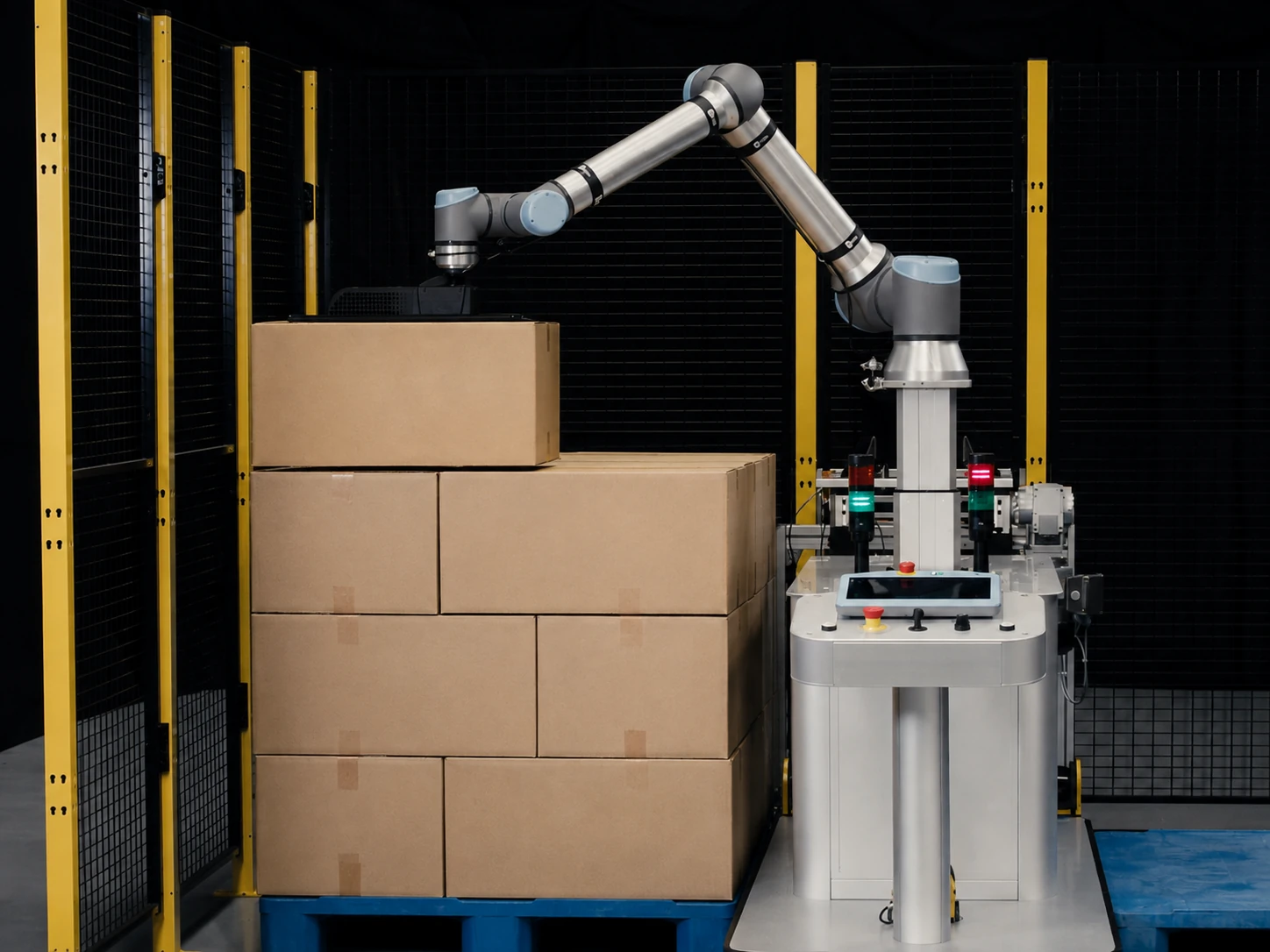
Collaborative robots are attractive because they can be compact, flexible and easier to redeploy than many traditional robotic cells. Their greatest value is not that they remove engineering requirements, but that they open new automation options for operations where people and robots need to share a production area or where product mix changes frequently.
What makes a cobot different
A collaborative robot is designed with functions that can support collaborative applications, such as power and force limiting, speed monitoring or monitored stopping. However, a cobot arm does not automatically make an application safe. The complete application includes the gripper, payload, workpiece, fixtures, surrounding equipment and the way operators interact with the system.
Good cobot applications in manufacturing
- Machine tending where operators load raw material or perform higher-value tasks nearby
- Repetitive assembly or screwdriving with controlled tooling
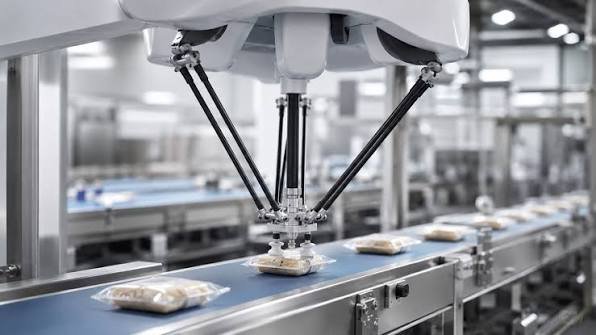
- Packaging, loading and light palletizing
- Quality inspection using cameras or gauges
- Material transfer between adjacent processes
- Flexible operations with frequent product or recipe changes
Where cobots improve ergonomics
A strong cobot application often starts with a task that is repetitive, awkward, tiring or difficult to staff consistently. Moving the repetitive motion to the robot can reduce ergonomic exposure while allowing the operator to focus on inspection, material preparation, exception handling and other tasks that benefit from human judgment.
Integration still matters
| Area | Engineering question |
|---|---|
| Tooling | Can the gripper hold the part securely without introducing new hazards? |
| Fixtures | Is the product presented repeatably enough for reliable automation? |
| Controls | How will the robot exchange status, recipes and faults with the PLC or machine? |
| Safety | What collaborative mode is appropriate for the actual task and payload? |
| Cycle time | Does safe operating speed still meet the production target? |
| Changeover | Can operators change products without complex programming? |
RoboMecs integration approach
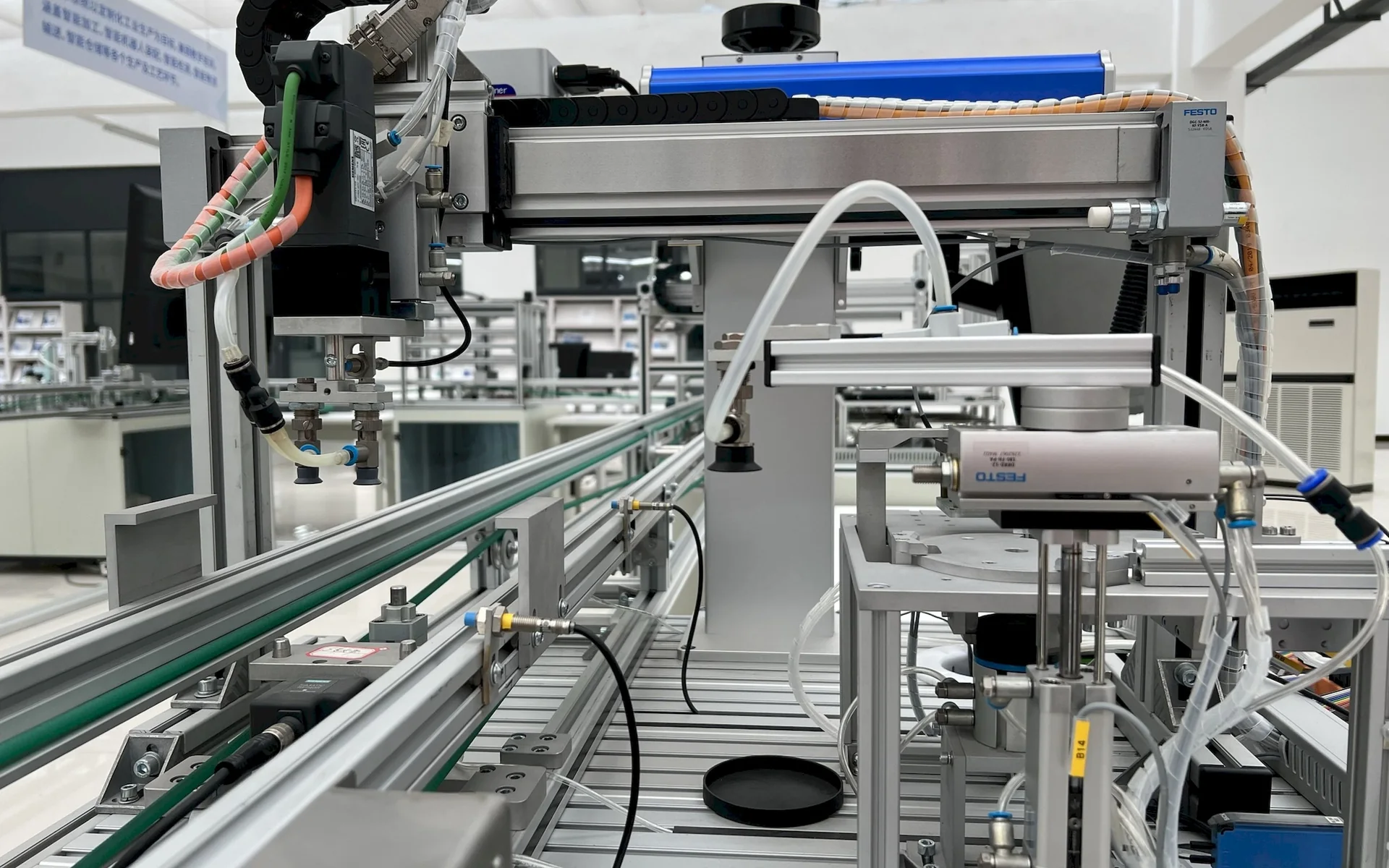
RoboMecs can combine cobots with custom fixtures, conveyors, machine vision, PLC logic, barcode or RFID, guided assembly software and traceability. This is useful when the goal is not simply to install a robot, but to make the entire workstation more controlled, repeatable and easier to operate.
When a traditional industrial robot may be better
Cobots are not the right answer for every application. High payload, very high speed, large reach or hazardous process requirements may favor a conventional industrial robot with an engineered safety cell. A good integrator should compare both architectures before recommending the technology.
If you are evaluating cobots for assembly, packaging, tending or inspection, share the process with RoboMecs. We can assess the task, interfaces and practical automation options before hardware is selected.